

Husband-and-wife nurses from the Philippines put down roots in Bonnyville
October 22, 2026
By Peter Rybar, social media and storytelling advisor
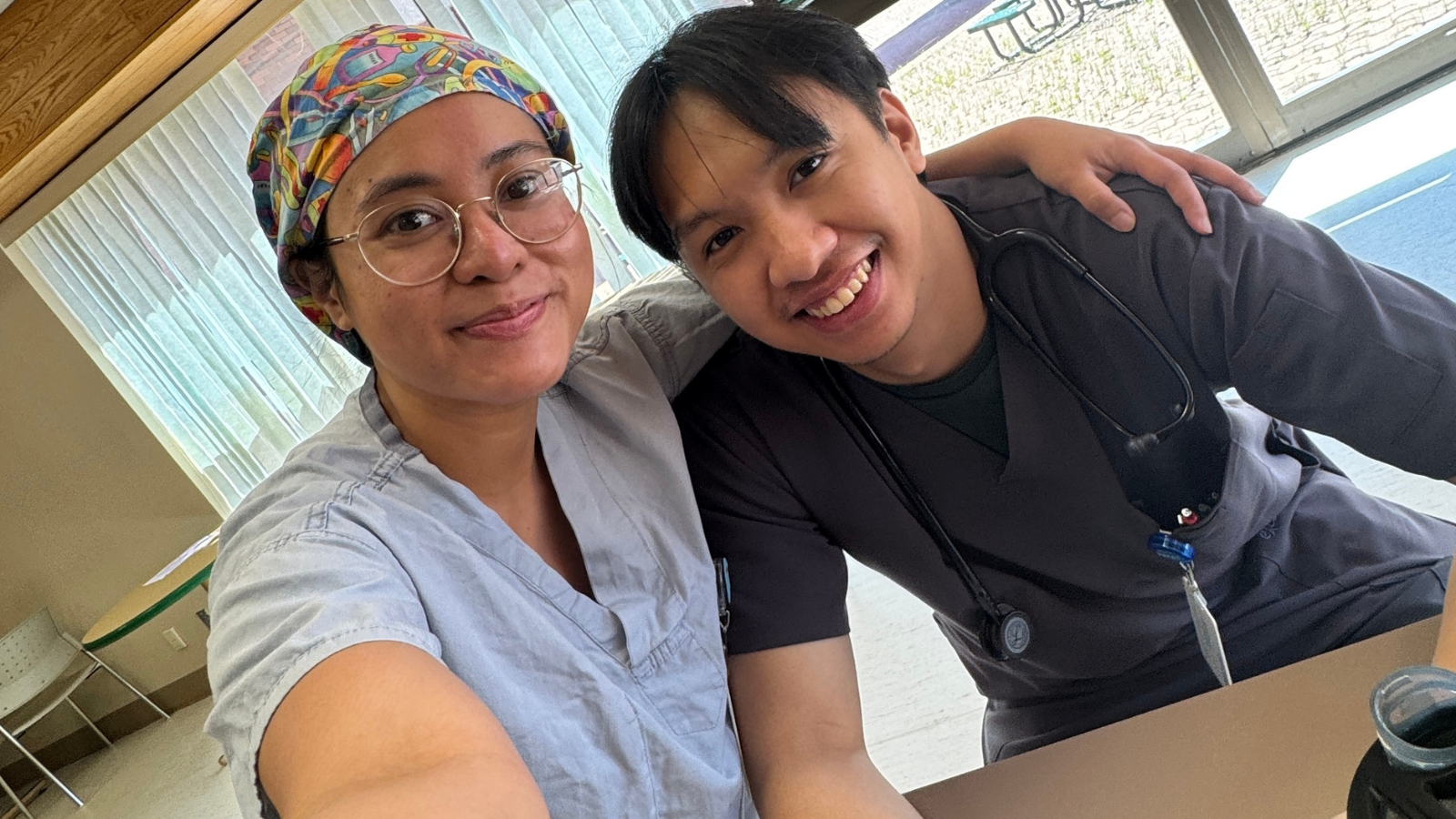
Jonas and Melodyna Dicdiquin have been talking about moving to Canada since they were classmates in nursing school in the Philippines.
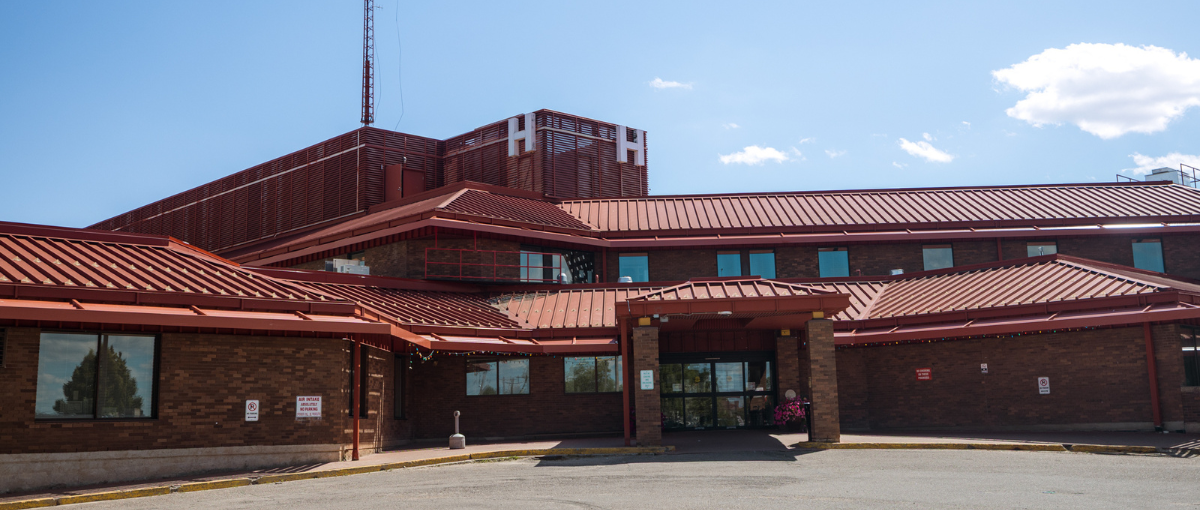
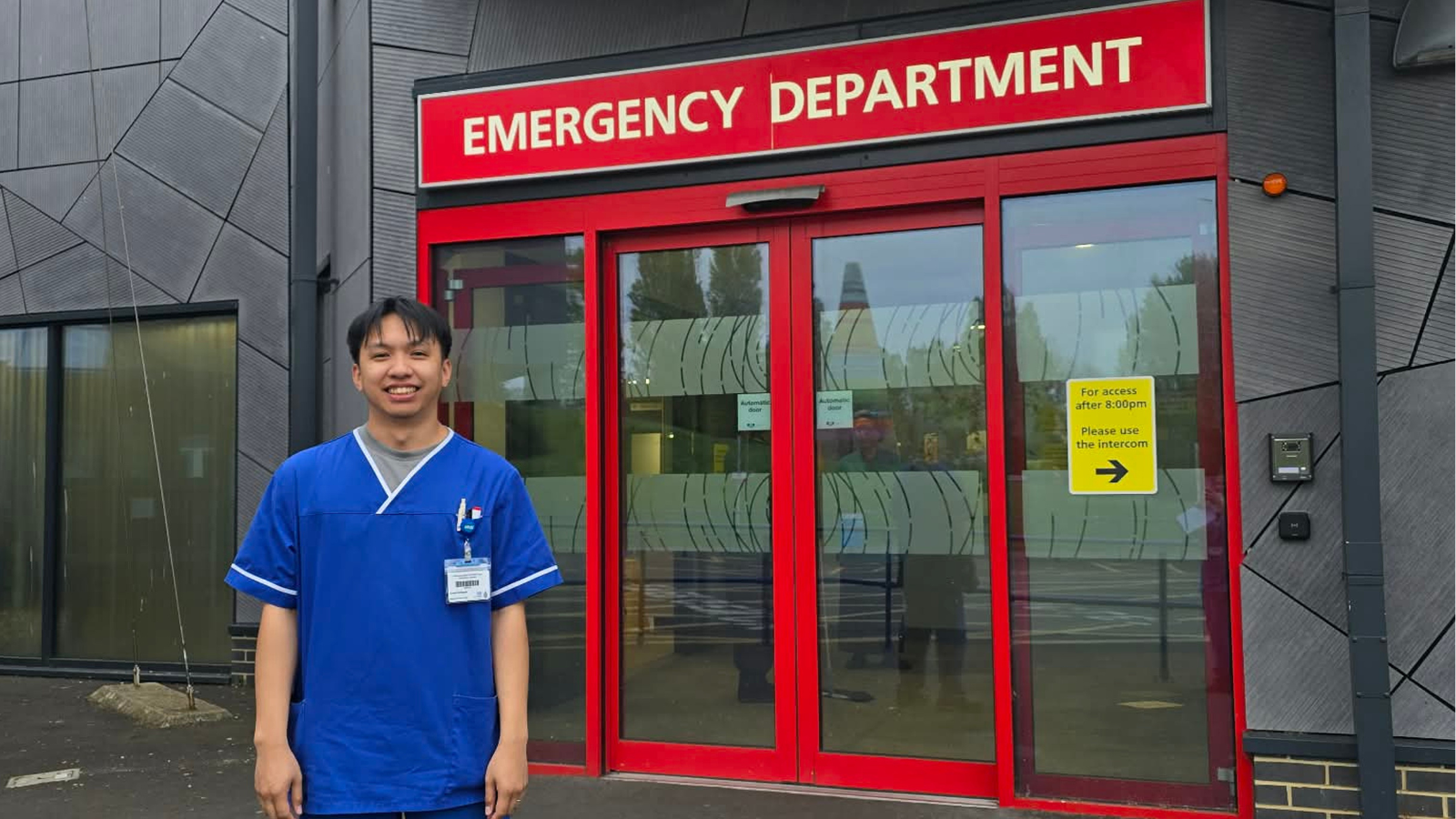
Nine years after graduating, and after more than five years working in the United Kingdom, they’re both registered nurses at Bonnyville Health Centre (BHC). Jonas works in the emergency department. Melodyna works in the operating room (OR).
“Wherever we go, we go together,” Melodyna says.
That includes their first weeks at BHC, which they both describe warmly.
“Overall, the experience was very good. Everyone was welcoming. Everyone was helpful,” Melodyna says. “Our colleagues were there to support us and guide us.”
The couple are among 22 overseas nurses who will have arrived through Covenant Health’s International Nurse Recruitment Initiative by November. The initiative, a partnership with Alberta Health Services (AHS), brings experienced internationally educated nurses (IENs) into supported roles. Nine of the 22 are matched to rural sites, and another 12 nurses are still making their way through immigration. Jonas and Melodyna were part of the first group of three to start at BHC in late May.
The long way to Bonnyville
Jonas and Melodyna graduated from a four-year nursing program in 2017 and went straight to work at the hospital attached to their school, Jonas in emergency and Melodyna on a medical-surgical ward before moving to the OR. Her parents had already moved to Canada.
Melodyna is frank about why so many Filipino nurses go overseas. Families invest heavily in nursing school, she says, and the pay at home isn’t enough to live on.
Getting to Canada took longer than they hoped, so when a chance came up in the U.K., they took it. They arrived in November 2020, in the middle of the pandemic, and worked at a hospital on the Isle of Wight.
“In the back of our minds, our end goal was always Canada,” Jonas says.
Melodyna doesn’t regret the detour. In the U.K., she specialized in orthopedics and worked with plating systems and joint replacements her first hospital couldn’t offer. Jonas took an advanced trauma nursing course there and found Alberta’s version very similar.
“I was like, oh, we’ve been doing this as well,” he says. “It’s universal.”
“It was part of our nursing path. It was part of our career growth,” Melodyna says. “Given the chance, I wouldn’t change it at all.”
Long waits are common. Many nurses in the initiative take 18 months to two years just to get from a job offer to landing in Canada, says Bonnie Bazlik, professional practice lead for rural and internationally educated nurses at Covenant Health. The nurses come through the permanent residency route, which takes longer than a work permit, and many must give long notice to their employers overseas once they’re approved.
A deliberate match
The couple applied expecting to end up in Edmonton. They learned at their interview that they were headed to Bonnyville.
That match was deliberate, Bonnie says. Candidates were interviewed by a panel, and rural placements went to nurses with the strongest clinical backgrounds, since rural sites have fewer supports to lean on.
“It was incredibly purposeful,” she says. “It wasn’t just plunking (people) into positions.”
For the Dicdiquins, the pieces lined up. BHC needed an emergency nurse and an OR nurse. The couple wanted to work at the same hospital. Melodyna’s parents live in Lac La Biche.
“Honestly, they were kind of what we were aspiring to in candidates,” Bonnie says. “They’ve worked in a couple of different countries, and that just makes them stronger candidates. They’re a little bit more flexible and used to adjusting to different health care systems.”
For BHC, the need was clear. After COVID-19, the site saw vacancies open up in obstetrics and emergency, says Shelly Franklin, site administrator at BHC. At the same time, the surgical program grew from three days a week to five, and she didn’t want to burn out a small OR team.
“It wasn’t just something I picked from the sky,” Shelly says. “We actually had data. We had vacancies.”
Keeping nurses is the harder part. Shelly says the site has cycled through vacancies and contract nurses about every five years.
“They leave us for urban. They use us as a stepping stone,” she says.
Bonnie sees the same pattern across rural sites. “It’s that revolving door that we’re trying to stop,” she says.
Settling in
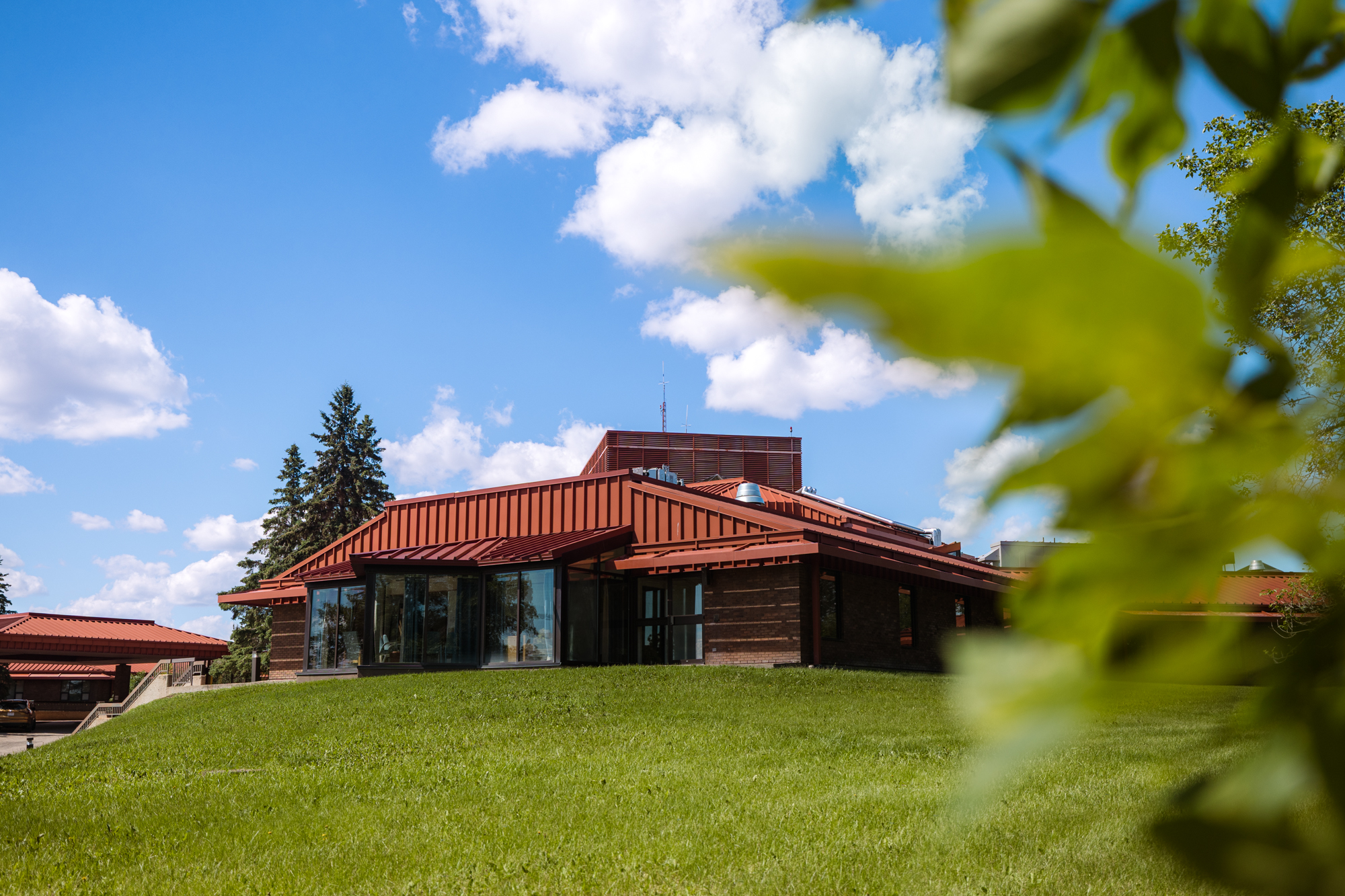
BHC started getting ready before the nurses arrived. Shelly already had houses leased for contract staff, so accommodation was set. She asked the site’s community board to act as ambassadors and partnered with Family and Community Support Services (FCSS) and local cultural groups that already support internationally trained professionals. Once the nurses settled in, she hosted a lunch with Town of Bonnyville Mayor Elisa Brosseau, Municipal District of Bonnyville Reeve Barry Kalinski and other local officials to welcome them.
Covenant Health provides wraparound supports for the move, from travel to a place to stay while nurses settle in.
“Moving from another country and another health care system, it really is quite a lot of adjustments,” Jonas says. “But we’ve never felt like we’re expected to figure everything out on our own.”
At work, the biggest shift has been going from specialist to generalist. Melodyna now rotates through the OR, recovery, day surgery and endoscopy. In her first week, she was in day surgery starting IVs, a skill she’d had little experience with. With coaching from colleagues, she had it down within a week.
“They were really supportive of me,” she says.
Some changes were small. In the U.K., everyone used generic drug names. At BHC, staff say Ativan, and at first she had to stop and remember that meant lorazepam.
Melodyna describes the couple’s approach with an image.
“When we came here, our cup was kind of full,” she says. “We are trying to empty this cup right now so that we can fill it up with how things are done here in Bonnyville.”
Bonnie says that’s where the initiative focuses its support.
“A lot of them come to us with really strong clinical foundations. That’s not where they need the help,” she says.
What takes more getting used to is communication. Some cultures speak very directly, Bonnie says, and the differences show up most when people give and receive feedback.
The initiative prepares both sides for that. During centralized orientation, IENs learn how Canadians tend to communicate. Clinical guides, the staff who work alongside IENs during their transition, get four hours of training, much of it on giving and receiving feedback across cultures.
Melodyna figures they’re 50 to 60 per cent of the way to feeling connected with colleagues. For now, both are focused on the work itself.
“We are getting there. The people here are really kind. It’s not difficult to talk with them,” she says.
Jonas agrees. “It just needs to take time,” he says.
Both are Roman Catholic, and learning more about the Catholic values that guide Covenant Health made the fit feel even more natural.
“We didn’t choose Covenant Health at first, but Covenant Health chose us,” Melodyna says. “We prayed for it, and God has answered our prayers.”
Jonas has since accepted a permanent position at BHC, and Melodyna has applied for one and started a perioperative nursing course, Shelly says.
“That tells me there’s commitment,” Shelly says.
The couple aren’t closing the door on the city someday. For now, Bonnyville suits them. On the Isle of Wight, shops closed at 5 p.m., and they got used to a quieter life. A weekend trip to West Edmonton Mall with Melodyna’s family was, in her words, “very overstimulating.”
“I’m tired of transferring,” Melodyna says. “I just want to put down roots and stay.”