

Psychiatric Outpatient Program at the Grey Nuns Community Hospital gives one woman her life back
May 7, 2026
By Peter Rybar, social media and storytelling advisor
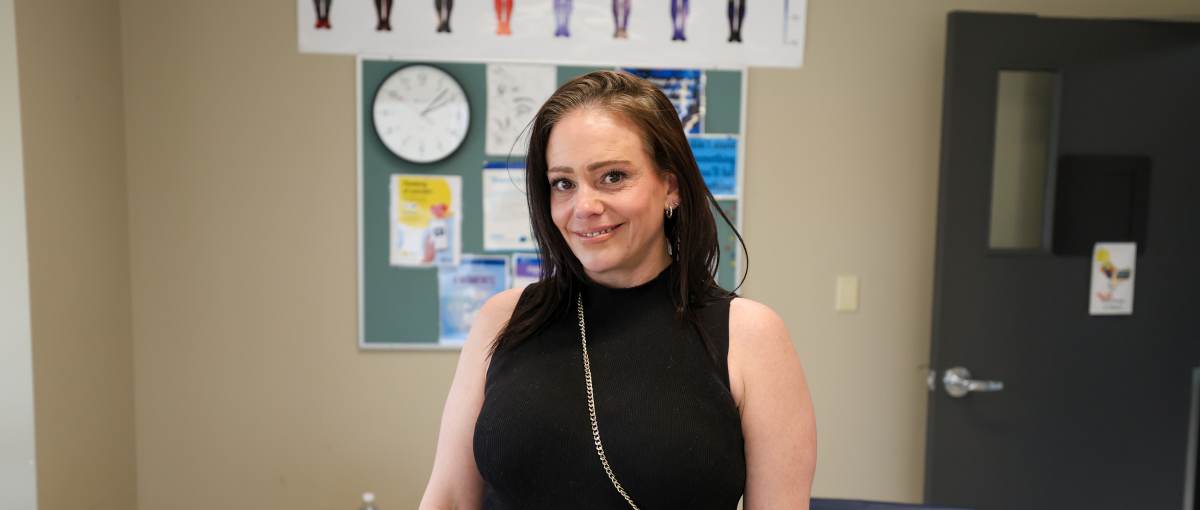
Trish Saidler still remembers sitting outside a locked door at 7 a.m., waiting for it to open. She had driven from Spruce Grove to the Grey Nuns Community Hospital in Edmonton after finding her father on Father's Day, after he had tried to take his own life. She needed help, and she knew exactly where to find it.
"I just held myself there at seven in the morning," says Trish. “I sat outside the program door and waited until they got there, and they got me back into the program for the second time.”
That program is the Psychiatric Outpatient Program (POP) at the Grey Nuns hospital, a 12-week intensive group therapy program for adults with complex trauma and treatment-resistant mental health conditions. For Trish, it was the place that finally helped her make sense of a lifetime of pain.
A program that truly anyone could benefit from
POP runs four days a week, from 9:30 a.m. to as late as 3 p.m., serving adults aged 18 and up. Participants are referred by any healthcare professional, from family doctors to psychiatrists. Many have already been through one-on-one therapy, skills groups and other programs without finding relief.
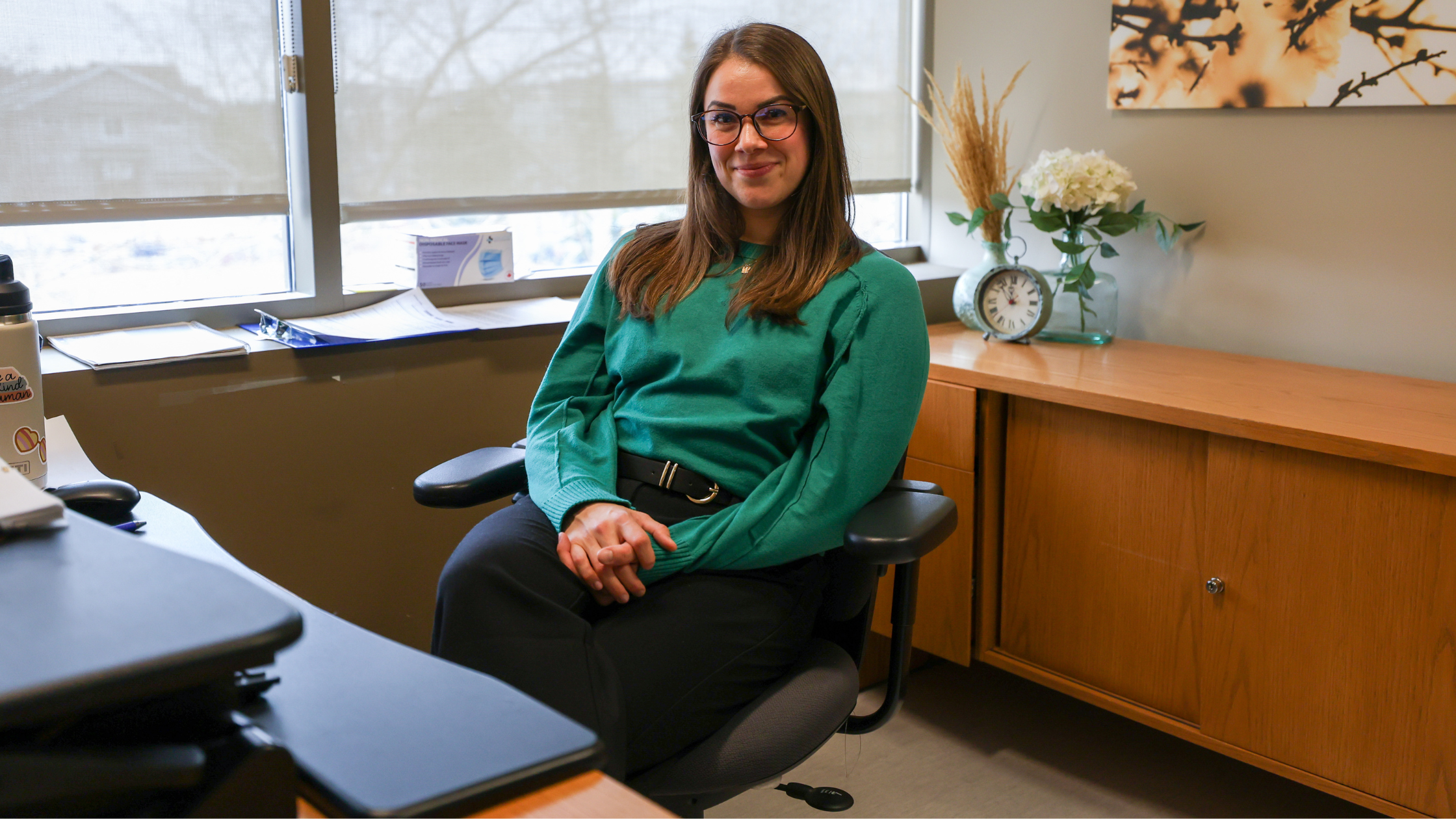
“We see a range of patients at POP,” says Celia Lafranchise, a mental health therapist who has worked with the program for eight years. “Some have significant histories of abuse and trauma, and others struggle daily but can't figure out why, and that is what we are here to help with. We also tend to have success with people who have tried many other types of therapy and still feel stuck. I think POP is helpful because we have a lot of time to really get to know each patient holistically and because we have a unique, multimodal approach to therapy.”
That approach blends psychodynamic therapy, which looks at how childhood shapes adult behaviour, with practical cognitive and dialectical behaviour skills. The multidisciplinary team includes an occupational therapist, a social worker, two registered nurses, a psychiatric nurse and a psychiatrist. After every group session, the team debriefs so that nothing falls through the cracks.
"A part of POP that I really enjoy is that we are an eclectic mix of therapists and we all bring something different to the table," says Celia. "But I think the one thing we are united on is being passionate about getting to know the whole person and the environments that impact them so that we can address the core issues that plague each individual, instead of focusing on a handful of symptoms that you see on the surface."
The power of being seen
Trish came to POP after years of struggle. She had survived childhood sexual abuse, grown up in an emotionally unstable home and spent her teens battling substance use. As an adult, she kept herself constantly busy raising her kids, filling their lives with dance, hockey and baseball. Her oldest daughter was an accomplished competitive dancer with world titles to her name. But when that daughter broke her back at 15 and family life slowed down, everything Trish had been outrunning caught up to her. She was hospitalized three times at the Grey Nuns, where she met her psychiatrist, Dr. Gordon Kelly. He referred her to POP.
The first time through, Trish admits she did the bare minimum in the program. But something still shifted.
"I just wasn't allowed to get away with some of the ways that I conducted myself out in the world," she says. “My behaviour was actually being guided, molded into healthier ways of thinking, acting, behaving. And that was heavily supported.”
For Celia, providing that kind of honest feedback is what sets POP apart from individual therapy.
"If I were to tell you the issues I see with your behaviour in a one-to-one session, it would be easy for you to disregard my feedback, especially if you don't like it," she says. “The difference with POP is that we encourage honest feedback from all of the therapists and the patients, so you would be sitting in a room with multiple people giving you that same feedback, and it becomes harder to ignore. We have also noticed that feedback from a fellow patient can be much more impactful than the exact same feedback from a therapist. A lightbulb seems to go off when the information comes from your peers.”
From emotion in the driver's seat to emotion in the passenger seat
One of the biggest changes the team sees is in how patients handle their emotions, says Celia. Many arrive either flooded with emotion or numb.
"People either come in with emotions that are so big that they feel unmanageable, or they are completely disconnected from their emotions," says Celia. “We notice that people are more settled with their emotions when they finish POP. The emotions are still there, but they are no longer in the driver's seat. Our patients become skillful at tolerating their emotions and acting on them in an assertive manner.”
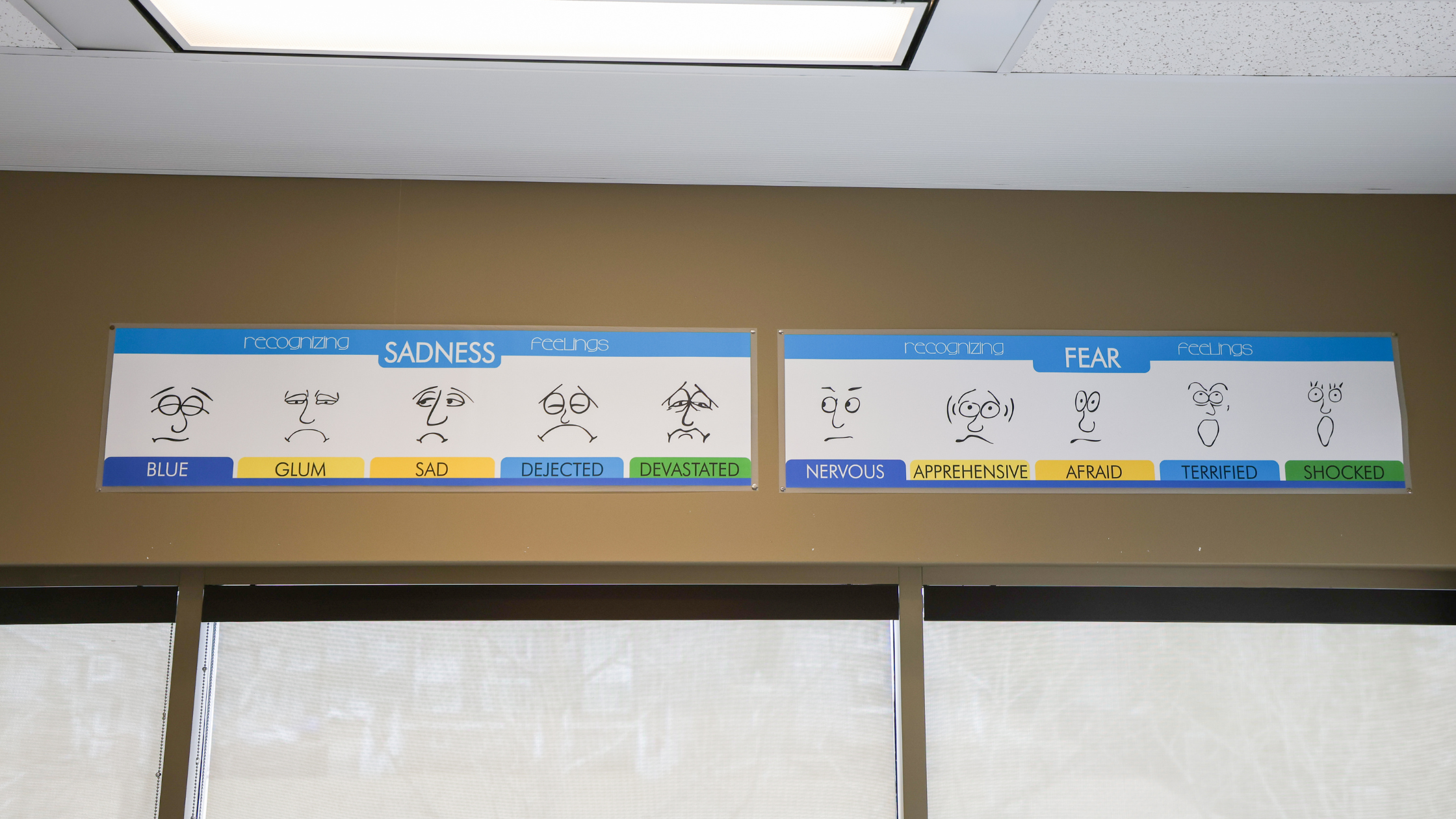
A lot of participants come in afraid of feelings because emotions were terrifying in childhood, Celia says. They might associate anger with an abusive parent or sadness with being left alone. POP teaches participants to name what they feel at lower levels so the feelings don't build up and explode.
For Trish, the work went deeper the second time around. "Going through it the second time was the most pivotal moment in my life," she says. "I was able to detach from the feeling that because they're my parents and because they're my sisters, I have to continue doing what I was doing. I learned how to put that effort into me. I put up boundaries. I learned to ask for what I needed."
Why Trish is sharing her story
Trish now has no contact with her family of origin, and she says the decision has given her a peace she never thought possible. She is open about her story because she wants others to know recovery is real.
"I've learned how big, important and incredible the growing and the healing and the changing I've done have been," she says. “I also know how incredibly hopeless, dark and almost story-ending the other side of it is.”
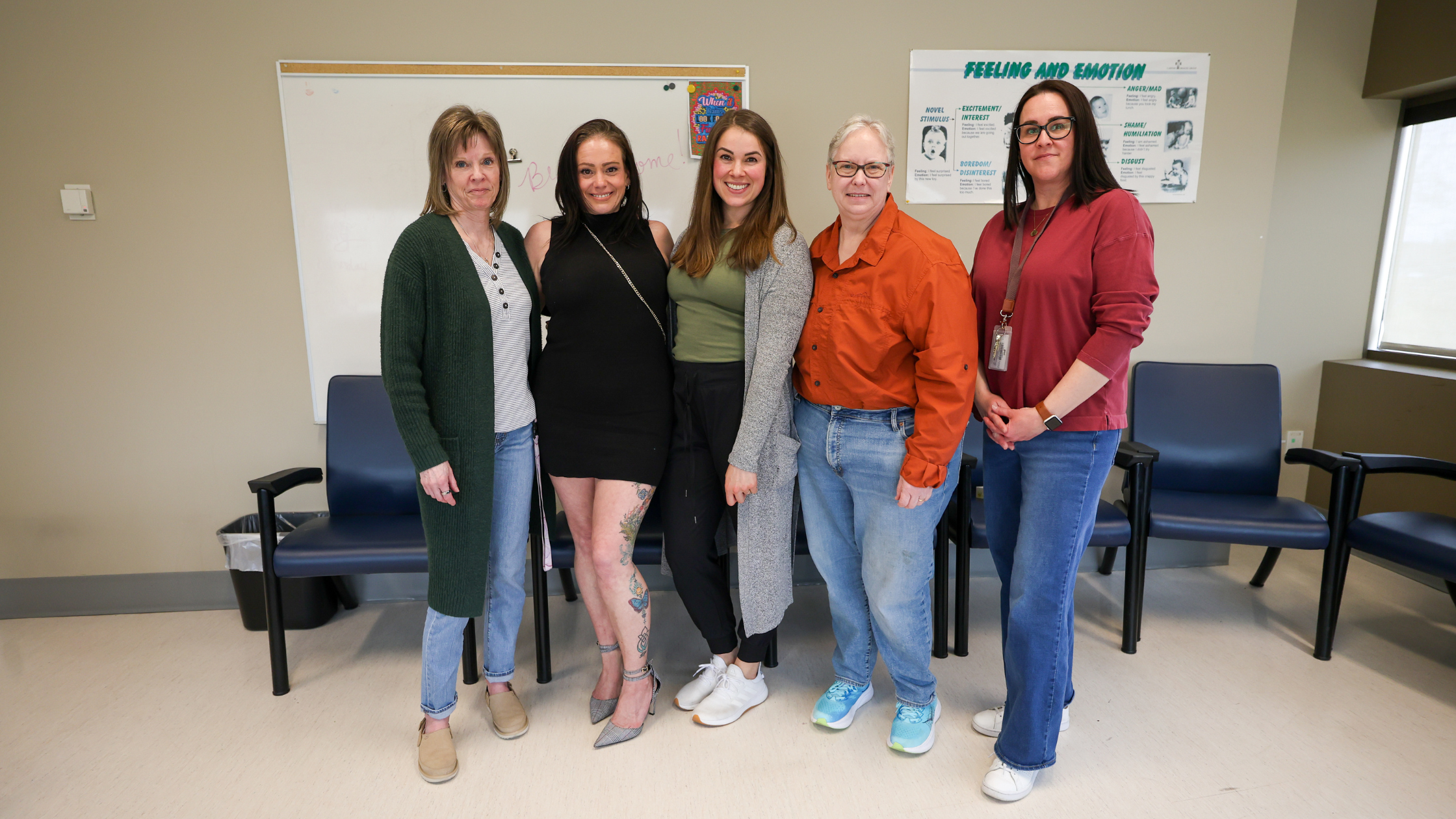
For Celia, stories like Trish's are what keep the team going through the hard days. "A lot of our patients have been through hardships that no one should ever face, and they have truly been survivors for a majority of their lives," she says. “At POP, we have the privilege of watching them tap into the strength they have always had, connect that to an assertive voice and then use that inner power to change their own lives.”
Trish's advice to anyone considering POP is simple. “All you need to do is go," she says. "Don't put pressure on yourself to come out of it a certain way. If you commit to that one small part, just to show up, the program and the therapists and the other patients take care of the rest.”
When asked why she wants her story told, Trish says, “I was sick. I was really, really sick. I was going to die. If one person can see where I was and then see where I sit today, maybe a life can be saved.”